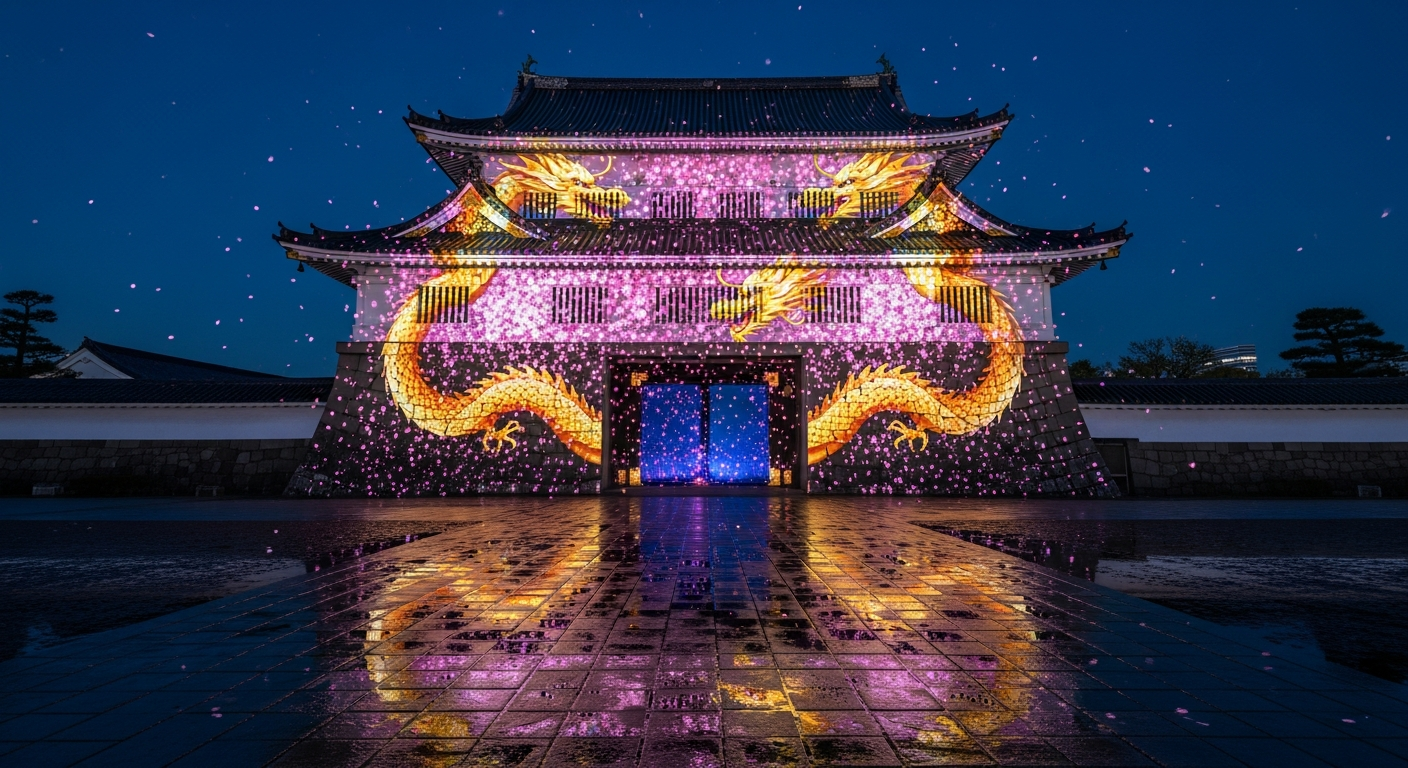
Nijo Castle Night Tours & Illuminations
From $50
Discover top sights at Nijo Castle. Book online for exclusive discounts and skip-the-line access to history!
Hand-picked experiences loved by thousands of travelers
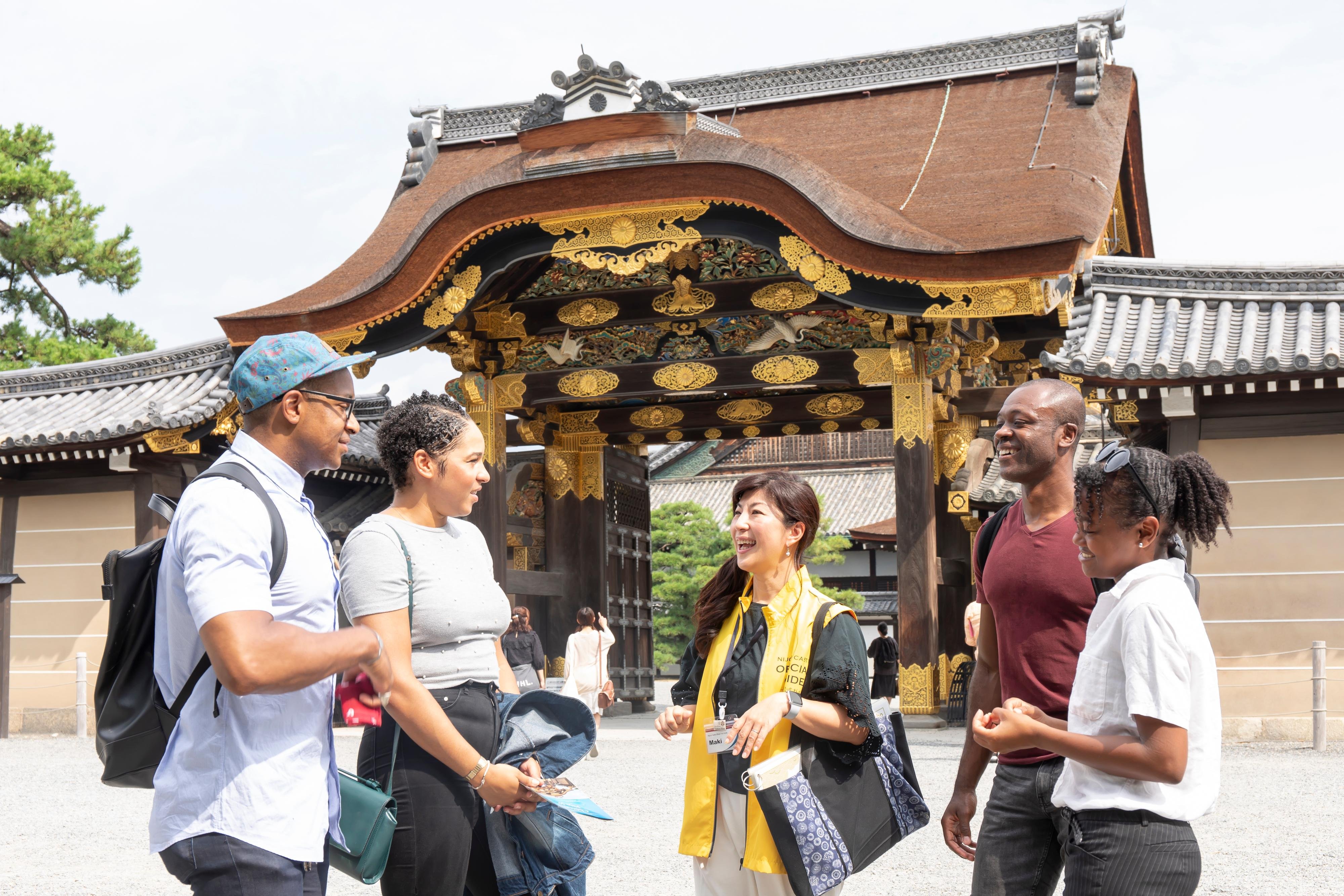
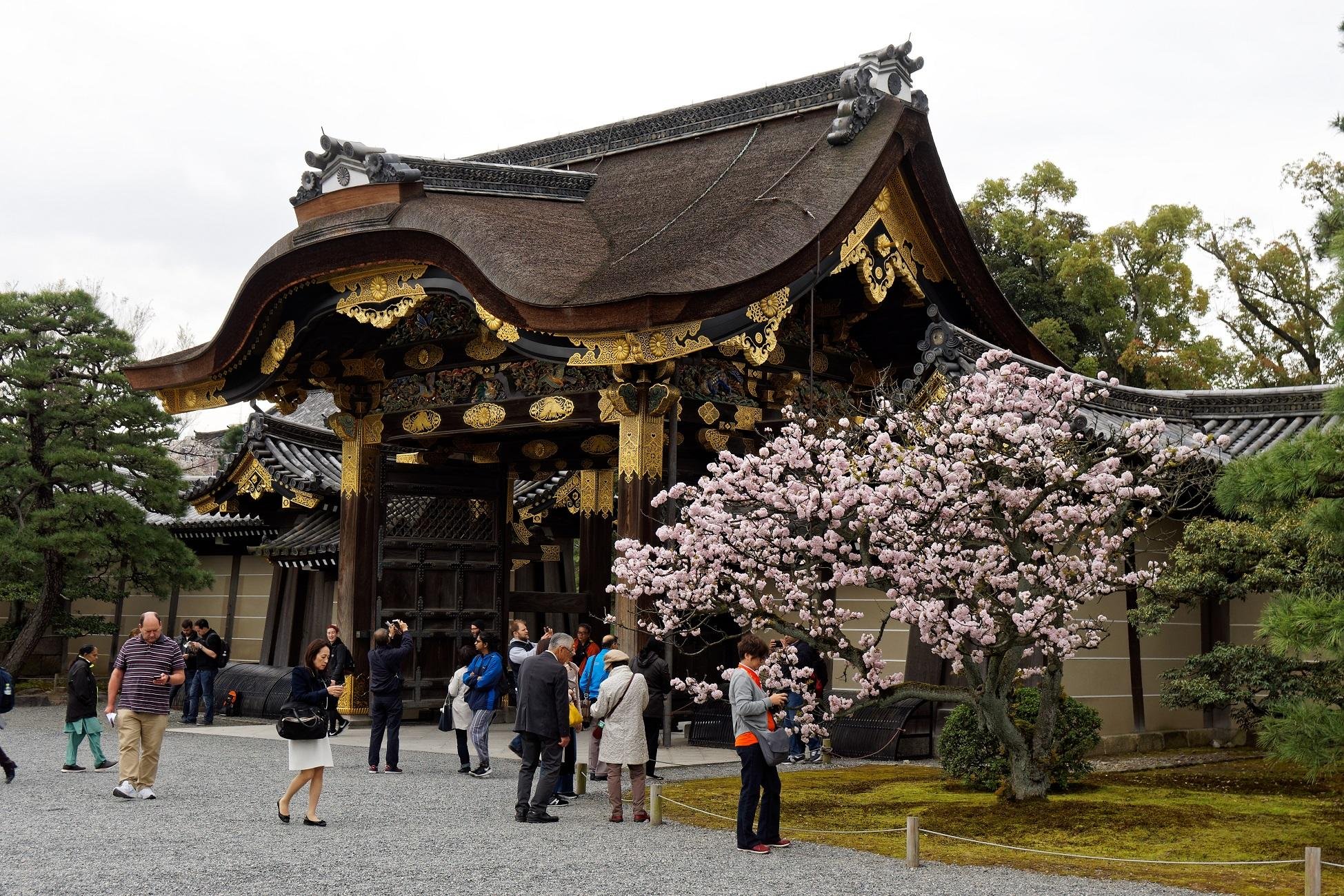
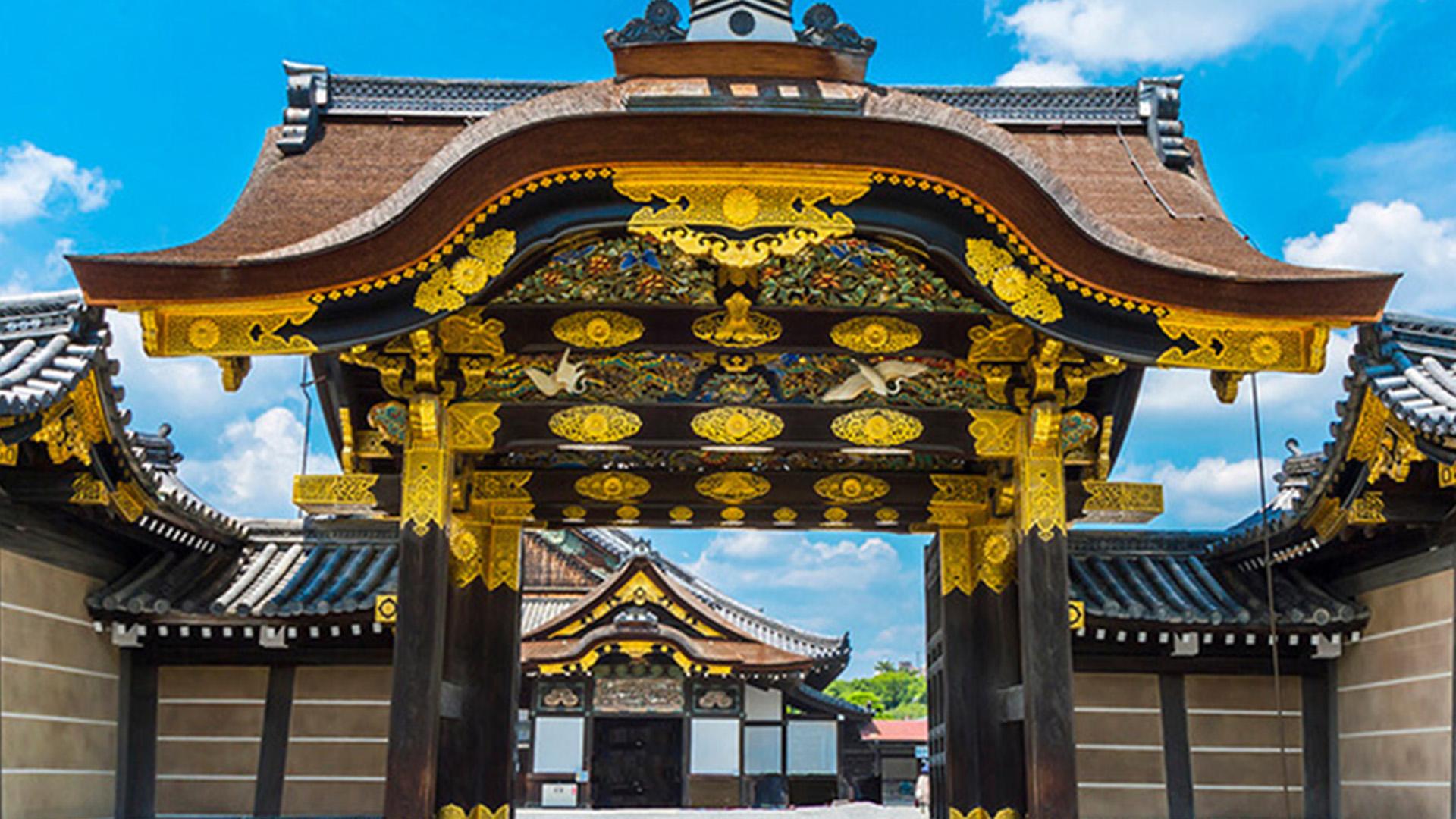
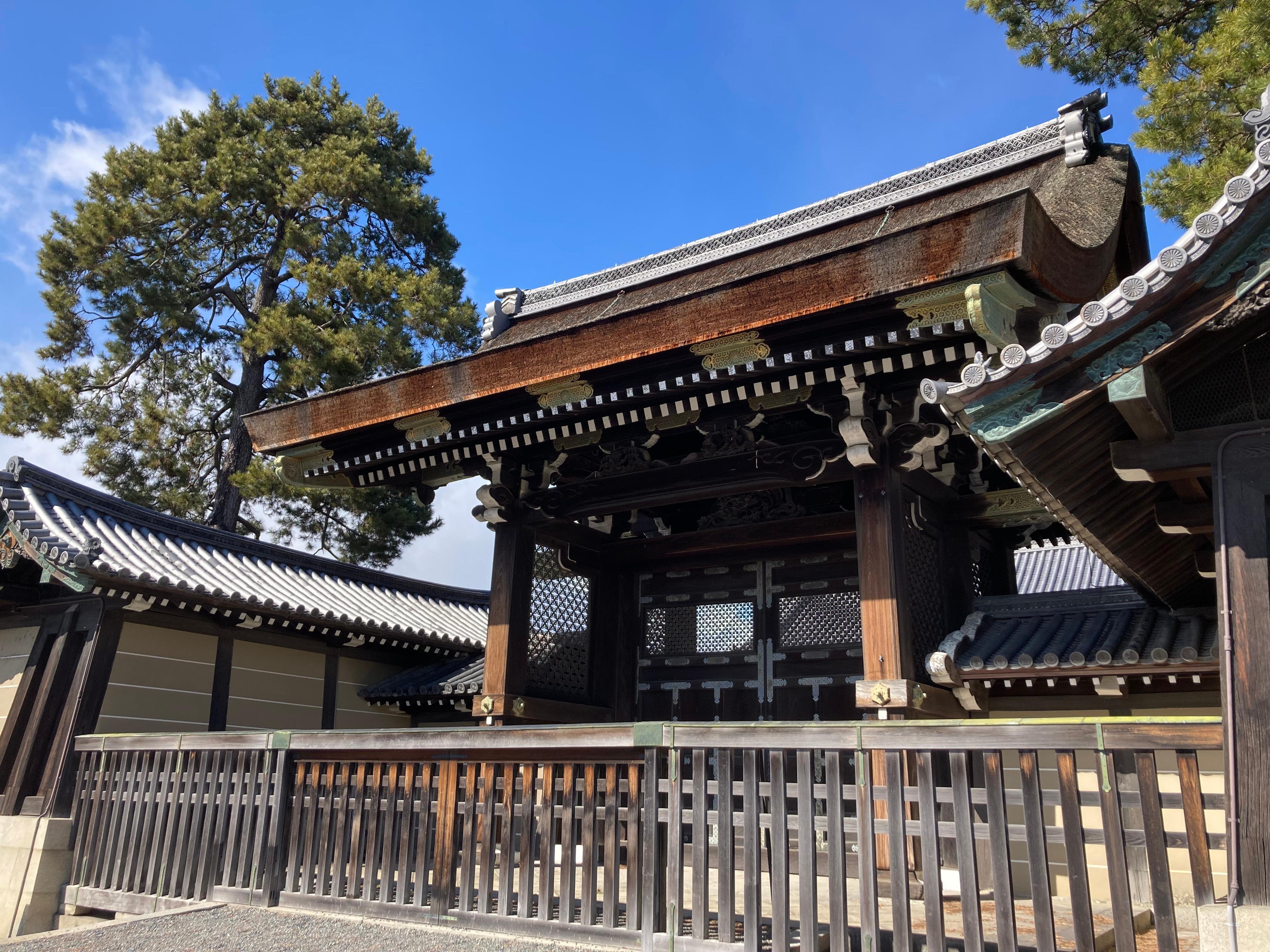
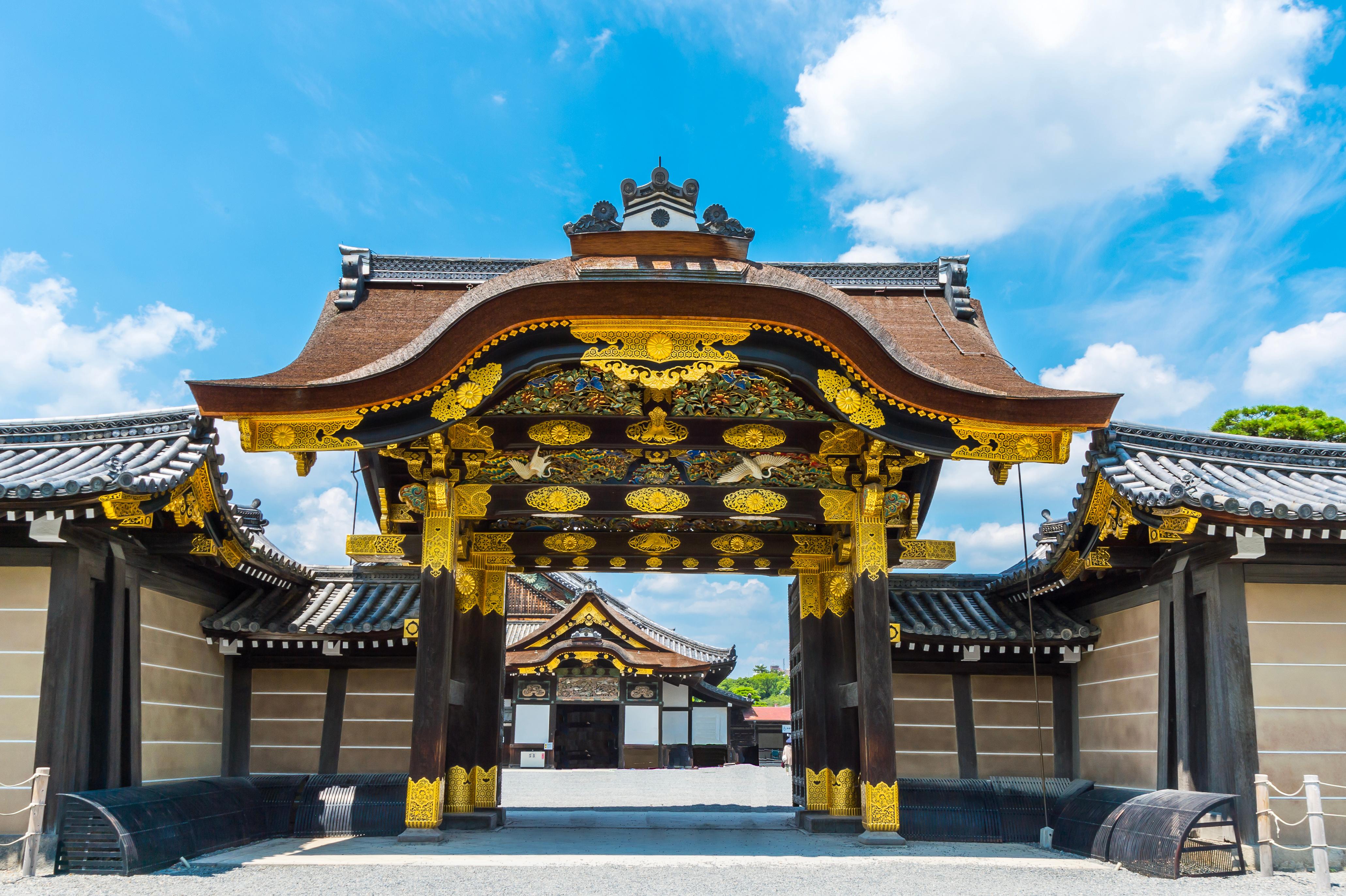
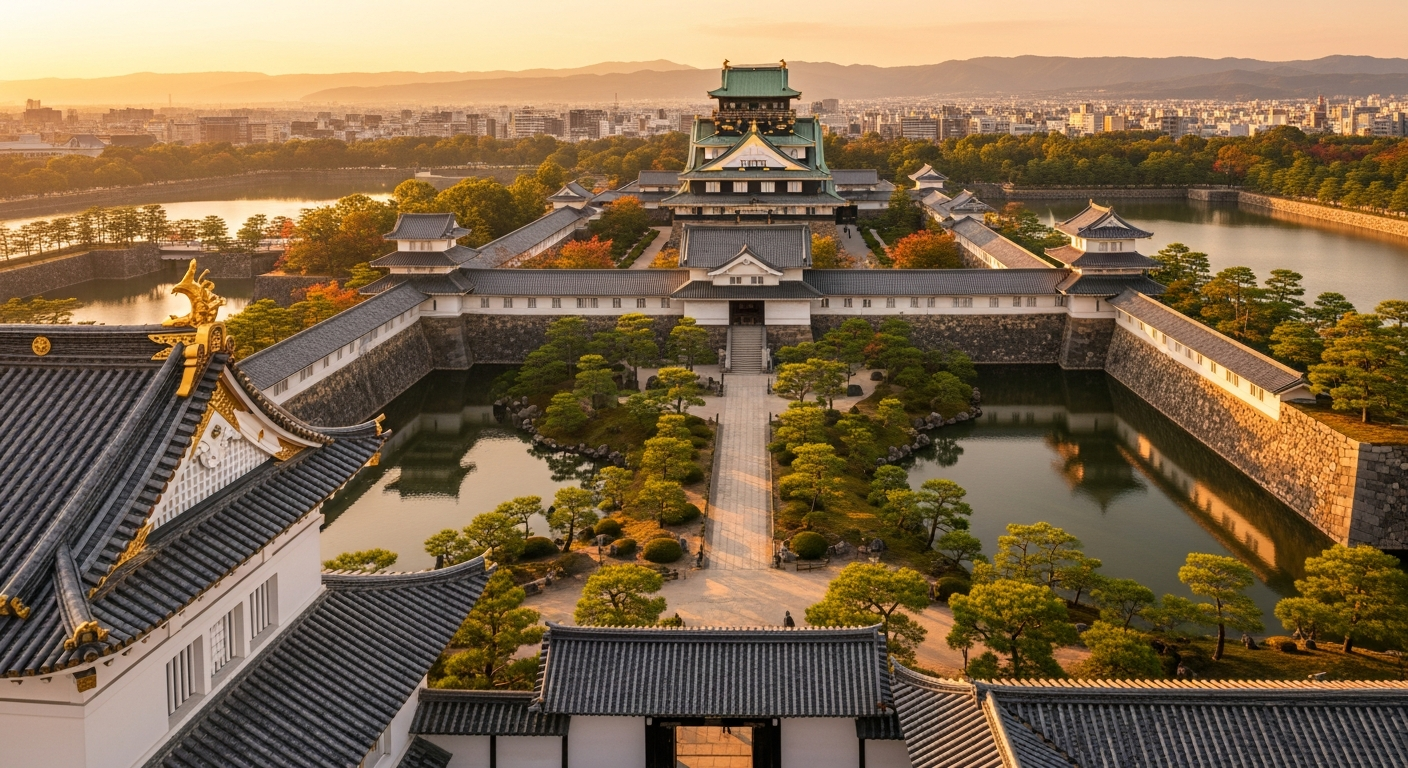
The complex features the historic Ninomaru Palace, the Honmaru Palace grounds, and three distinct Japanese gardens: Ninomaru, Honmaru, and Seiryu-en.
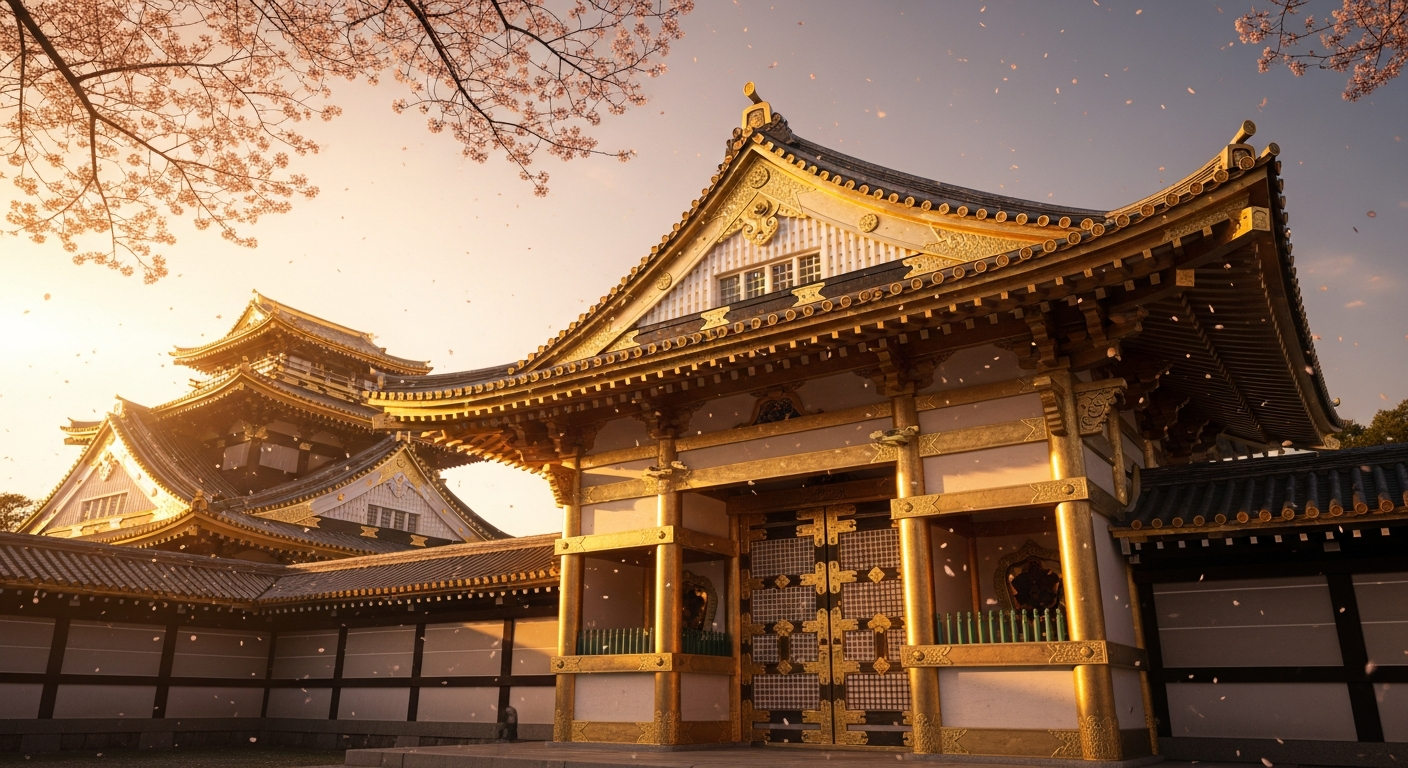
The recommended route takes you through the Karamon Gate, into the Ninomaru Palace to hear the nightingale floors, and then around the scenic gardens.
Spring is ideal for the cherry blossoms (Sakura), while late autumn offers beautiful foliage. Visiting early in the morning helps avoid peak crowd hours.
Yes, buying tickets online is highly recommended to save time at the entrance, especially during the busy spring and autumn tourist seasons.
Yes, the grounds are largely accessible. Paved paths connect main areas, and ramps are available for the palace, though you must switch to provided indoor wheelchairs.
The castle is conveniently located just steps away from the Nijojo-mae Station on the Tozai Subway Line, or accessible via city bus from Kyoto Station.
General admission covers the gardens, but a small additional fee is usually required to enter the Ninomaru Palace. Combo tickets can be purchased at the gate or online.
Arrive right at the 8:45 AM opening time or visit on weekdays. The castle is one of Kyoto's most popular sites, so midday weekends are the busiest.
The palace is renowned for its 'nightingale floors' (uguisubari), which squeak like birds when walked upon to warn the residents of intruders.